When shopping for gym equipment in New Zealand, it’s common to see machines that look almost identical—yet their prices can differ by hundreds or even thousands of dollars.
At first glance, the frames, dimensions, and functions appear similar. This leads many buyers to assume the cheaper option offers the same value.
In reality, appearance is only a small part of the equation.
The real differences are found in engineering details and how the equipment performs over years of use—not on day one.
Common Misconceptions About Gym Equipment Pricing
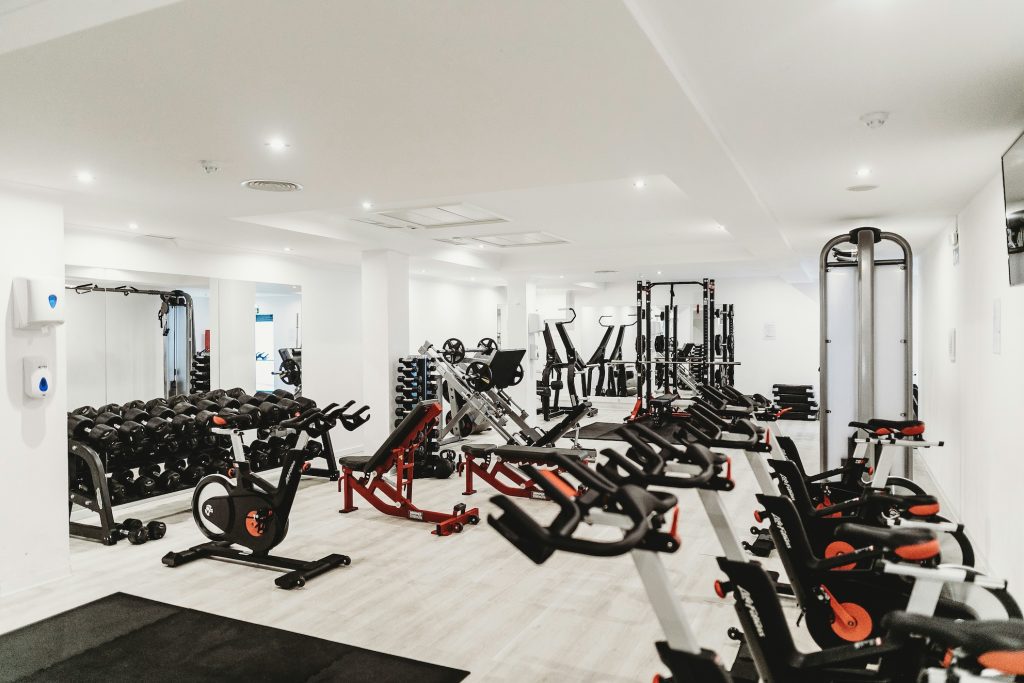
Many buyers compare gym equipment based on size, shape, or the number of attachments included.
What’s often overlooked are the technical factors that directly affect safety, performance, and lifespan:
- Steel thickness
- Weight capacity
- Pulley smoothness and alignment
These details are not obvious at first glance, but they define performance and safety.
Ignoring them usually leads to unstable training, faster wear, and limited long-term value—especially in a home gym equipment setup.
Expandability — The Key to Long-Term Equipment Value
Why Expandability Matters
When you’re investing in gym equipment, it’s not just about what you can do today—it’s about how that equipment can adapt to your future fitness goals. Expandability is the difference between outgrowing your gear and having it grow with you.
Common Expandable Components
Top-tier gym systems often allow you to add a variety of attachments, turning one piece of equipment into a multi-functional hub. For instance:
Pull-up bars and dip attachments can be added to a power rack, giving you more options for upper body workouts.
Weight plate storage and cable and pulley attachments allow for a modular approach, letting one frame support multiple training styles over time.
What sets our racks apart is that they meet stringent industrial standards. For example, the attachment slots are a standardized 26 mm, ensuring compatibility with a wide range of add-ons. The rack posts themselves are a robust 75×75 mm with a plate depth of 3 mm, providing a sturdy, durable base that’s built to last.
This adherence to industrial specs means you’re not just getting flexibility—you’re getting peace of mind that each component is built to a reliable standard.
Home Gym vs Commercial Needs
When you choose a gym rack, you’re not just picking a piece of equipment for your current workouts—you’re investing in something that can evolve alongside your fitness journey. For many New Zealanders building a home gym, training goals naturally shift over time. As your strength increases, your exercise selection expands, and accessory work becomes more important.
Equipment that isn’t designed with expandability in mind quickly hits a ceiling. You might find yourself needing to replace the entire rack just because it can’t handle new attachments or more advanced exercises—even if the frame still looks perfectly fine.
That’s why our expandable gym racks are built to support your progression, not just your entry-level training. They’re designed to meet industrial standards and accommodate add-ons like pull-up bars, dip stations, and more. With standardised 26 mm slots and robust 75×75 mm posts, you have a foundation that grows as you do.
In other words, choosing an expandable rack means you’re future-proofing your home gym. You’ll be able to adapt to new fitness challenges without having to start from scratch.
That was all, no need to improve the letters but still expounding why these features matter in choosing a home gym set.
How Training Goals Change Over Time
For most New Zealanders building a home gym, training needs rarely stay the same.
Strength increases.
Exercise selection expands.
Accessory work becomes more important.
Equipment without an expandable structure quickly reaches its limit, forcing replacement even though the frame still looks “fine”.
Expandable gym equipment is built to support progression, not just entry-level training.
Cheap Now or Valuable Later? Short-Term vs Long-Term Thinking
Typical Limitations of Low-Cost Equipment
Lower-priced gym equipment often works initially, but common issues include:
- Limited or no expansion options
- Lower load tolerance
- Faster wear under regular use
Replacement required once training intensity increases
Long-Term Advantages of Higher-Quality Equipment
Well-designed equipment focuses on longevity:
- Modular construction
- Support for multiple training stages
- Better structural durability
- Lower cost over time due to reduced replacement
The upfront price is higher, but the long-term value is significantly better.
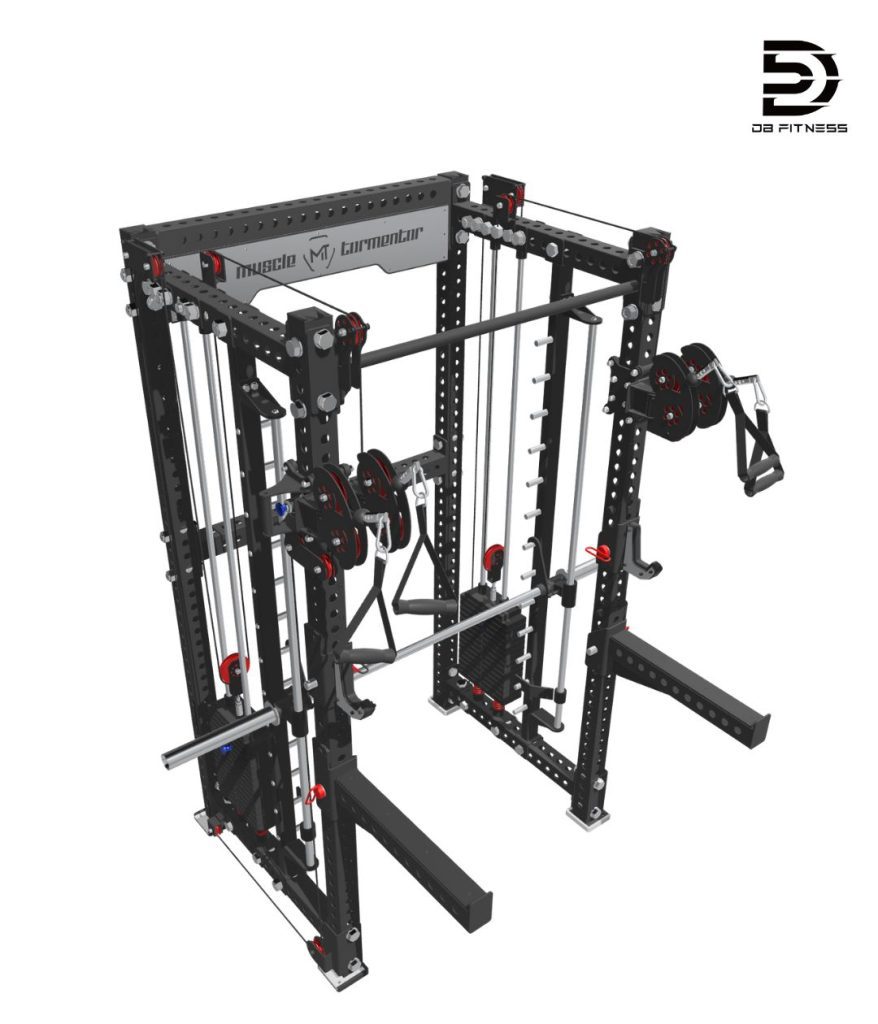
Smith Machine with Dual Pulley System
How to Choose Gym Equipment That Grows With You
When comparing gym equipment, material quality and build are important—but they’re not the only considerations.
Ask these practical questions:
- Can it be expanded with accessories later?
- Will it support heavier loads in the future?
- Is it designed for long-term home use, not short-term entry training?
Choosing equipment that adapts to your progress is a more sustainable investment.
One Investment, Years of Training
A well-chosen piece of gym equipment is not a short-term purchase.
It supports:
- Consistent training
- Progressive overload
- Fewer upgrades and replacements
This approach avoids repeat spending and creates a more reliable home training environment.
Conclusion|Similar Appearance Does Not Mean Equal Value
Gym equipment is more than something that “looks usable”.
It’s a long-term training tool that should support your development safely and consistently.
While two machines may look the same, their real value lies in structure, expandability, and durability—factors that only become clear with time and use.
Choosing wisely means training smarter, for longer.