
Why Active Aging Matters in New Zealand Homes
In New Zealand, ageing is no longer defined by limitation, but by choice, independence, and continued participation in life. Kiwis are not simply living longer; they are choosing to live better. More older adults are staying socially connected, actively involved in their communities, and engaged in the activities that bring them joy. There is a growing appreciation for independence — for the ability to wake up each morning in your own home, follow your own routine, and make your own choices with confidence.
Your home is more than just a building. It is your sanctuary — the place filled with memories, comfort, and familiarity. It is where you feel most relaxed, most yourself, and most in control. The desire to remain in that space for as long as possible is deeply personal. It represents dignity, stability, and freedom.
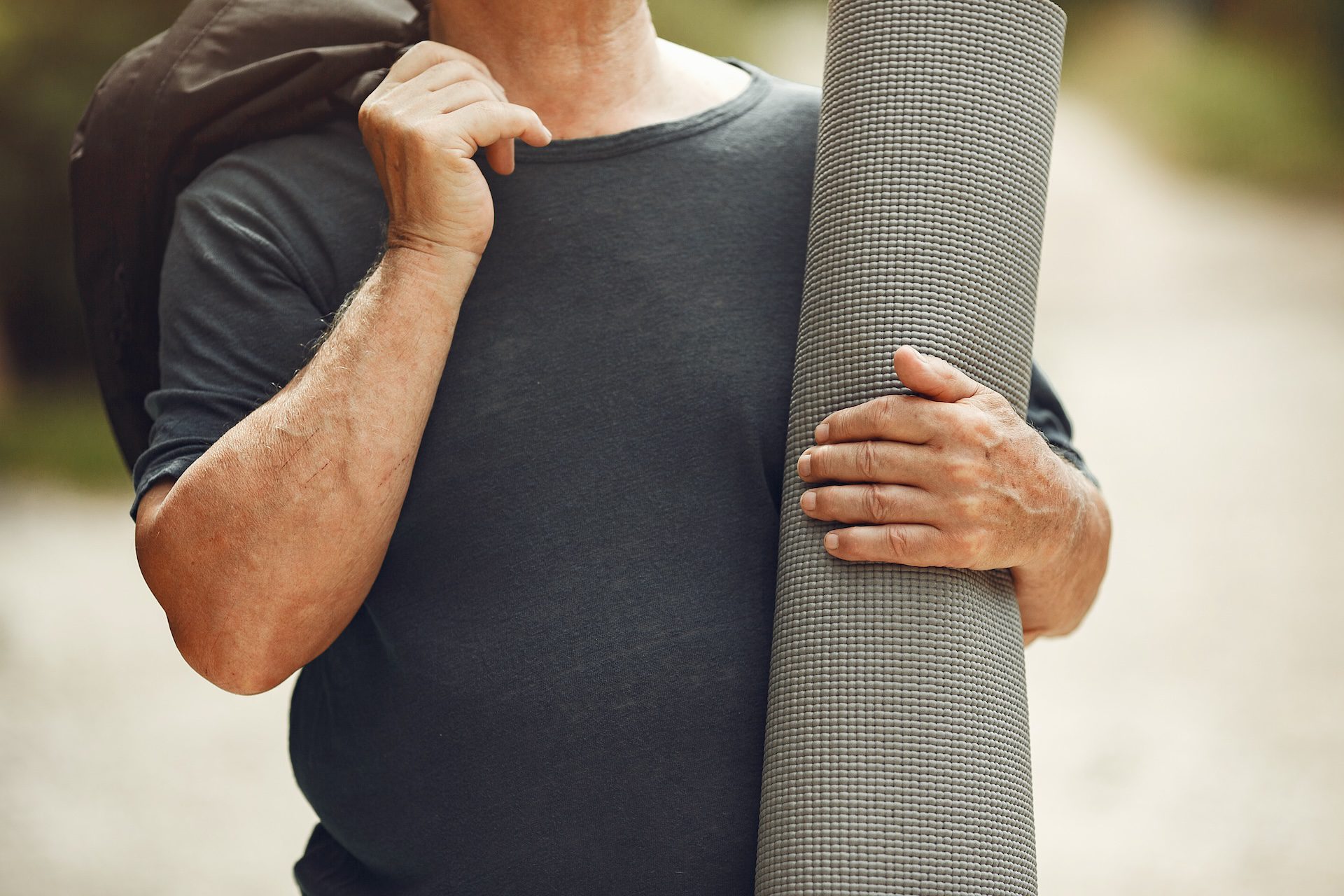
To maintain that independence for decades to come, the focus has naturally shifted toward active aging. Staying strong isn’t about chasing extreme fitness goals or running marathons. It is about maintaining functional strength — the kind that allows you to tend to your garden, carry groceries without strain, play with your grandchildren on the floor, and confidently explore New Zealand’s breathtaking landscapes. It is about balance, mobility, and resilience in everyday life.
The most effective way to protect this lifestyle is through consistent, safe movement within the comfort of your own environment. When exercise becomes part of your daily rhythm — something accessible, familiar, and free from pressure — it transforms from a task into a long-term habit. And those small, steady efforts are what preserve independence, confidence, and quality of life for years to come.
Seamless Integration: Fitness That Respects Your Home
One of the most common hesitations regarding home gym equipment is the concern that it will clutter a curated living space. You shouldn’t have to sacrifice your interior design or navigate around bulky machinery to stay healthy.
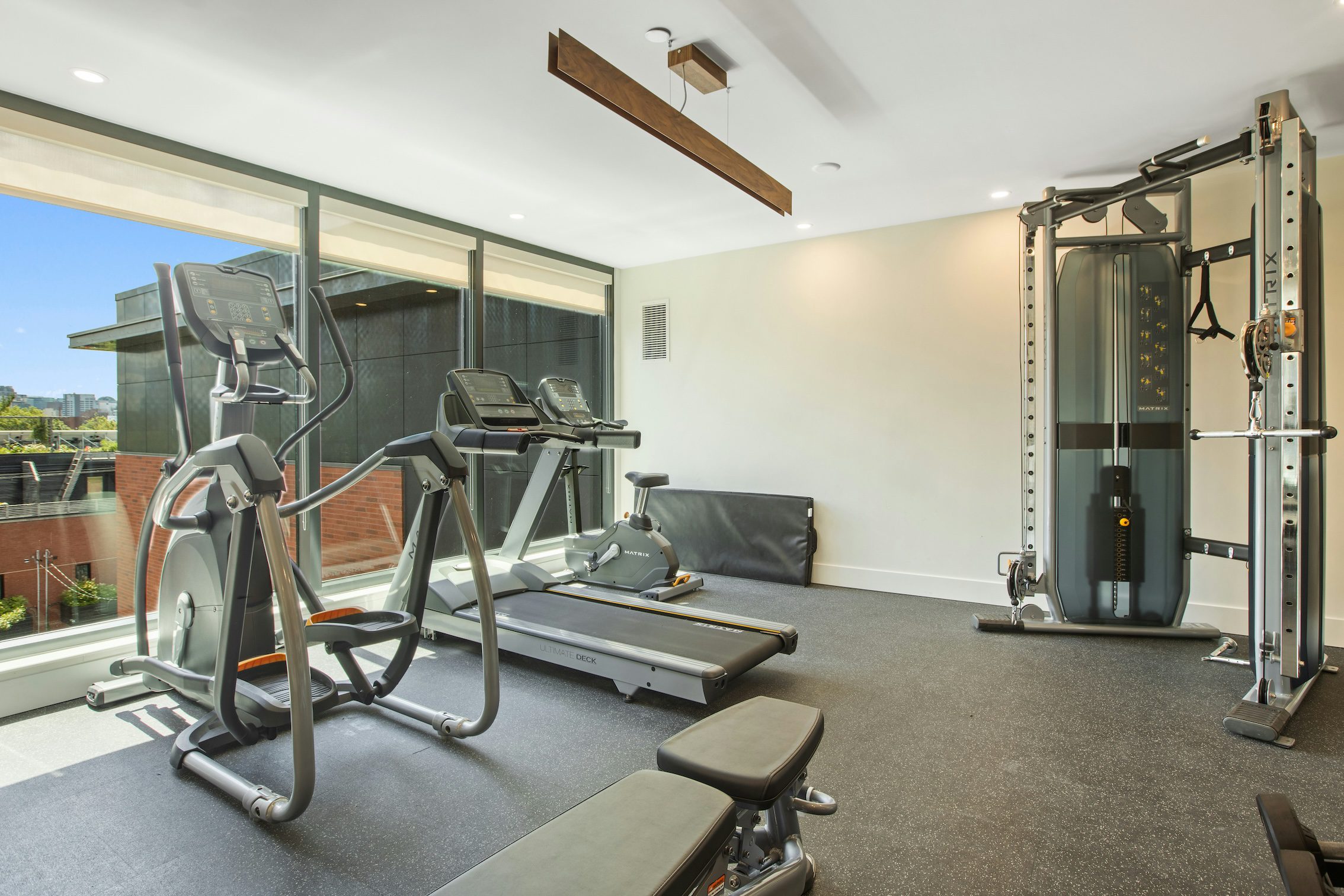
Modern home fitness technology is designed to respect your home environment. With the advent of foldable and compact designs, your equipment appears when you are ready to move and disappears when you are ready to relax. This ensures that your home remains a place of rest, while still providing the tools necessary for a vibrant, healthy life.
The Joy of the Morning Stroll:
KingSmith WalkingPad C2 / KingSmith WalkingPad Z3
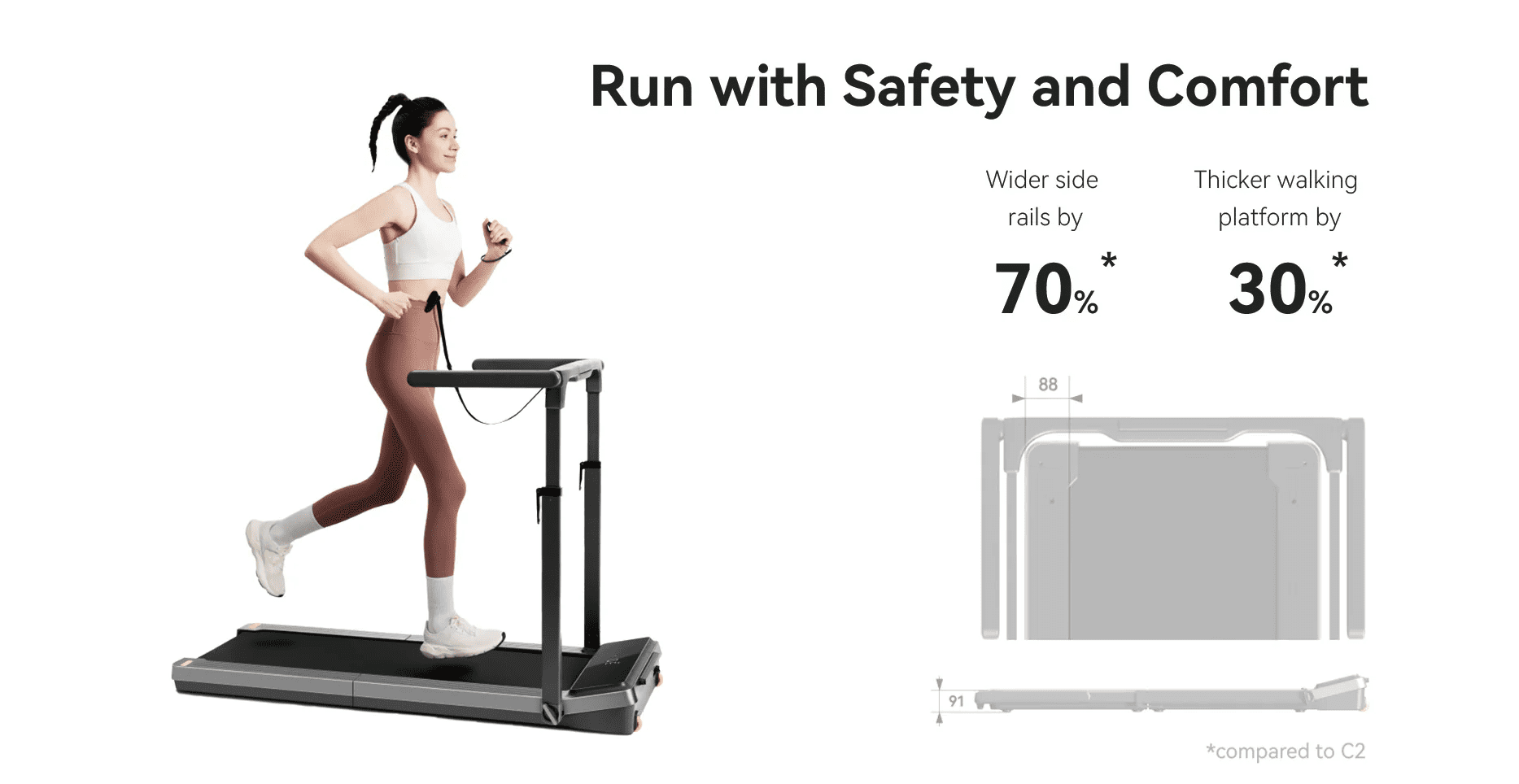
Begin your day with a refreshing indoor walk, rain or shine. The foldable treadmill, featuring an integrated handrail, supports smooth and steady movement at your own pace — transforming a simple walk into a daily ritual that strengthens your heart and keeps your legs resilient.
Fluidity and Grace:
KingSmith WM10 Fold Rower / KingSmith WR20 Tri-Fold Rower
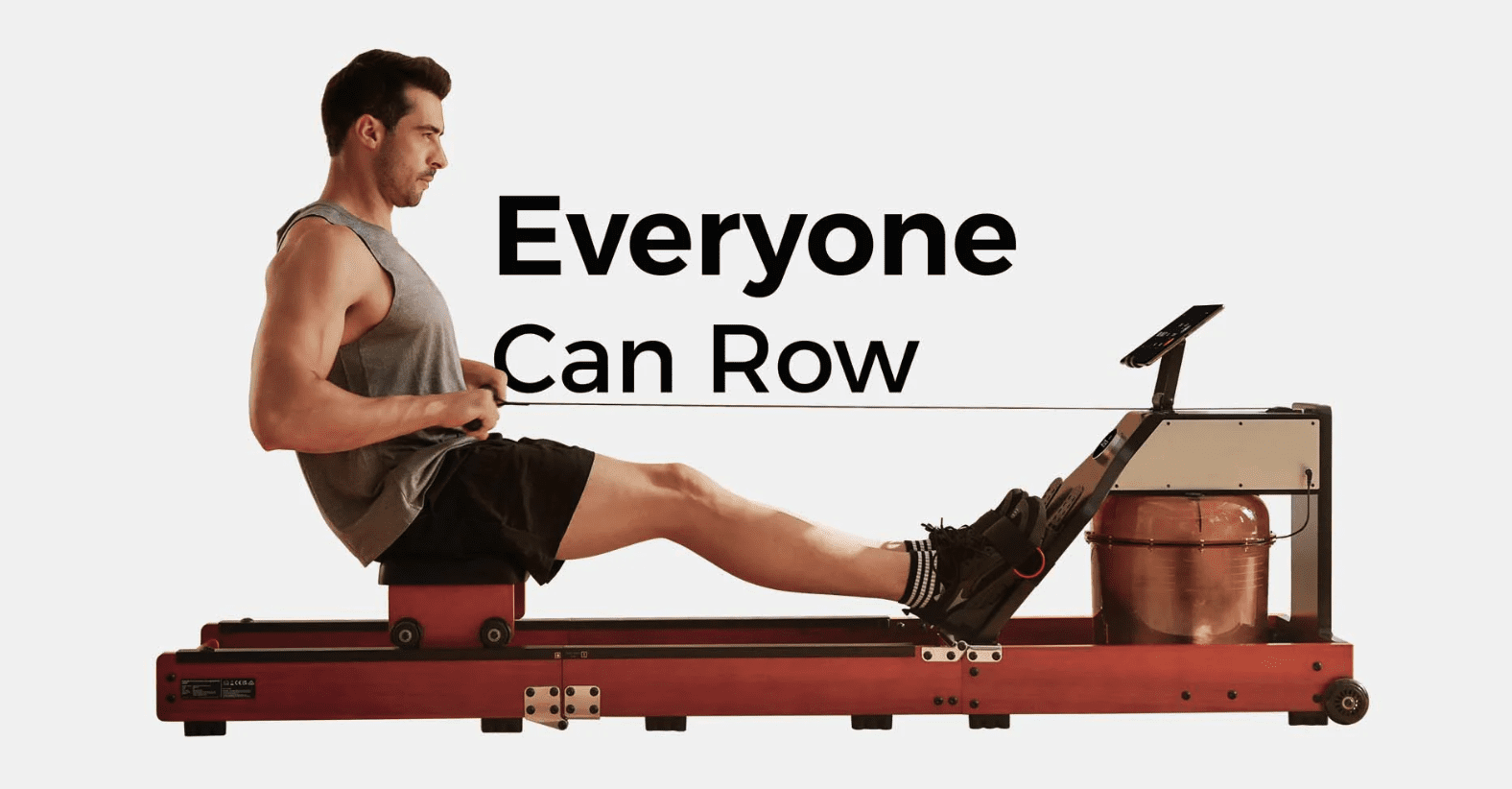
Rowing provides a smooth, rhythmic motion that strengthens your core and supports good posture. Using water resistance, this wooden rower delivers a low-impact workout that keeps your joints mobile and your back strong — feeling more like a relaxing ritual than exercise.
The Luxury of a Dedicated Health Hub
If you have a spare bedroom or a quiet corner of the garage, transforming it into a permanent “health hub” can be a meaningful investment in your long-term independence. Rather than being just a workout area, it becomes a dedicated space that supports your daily wellbeing. With equipment always set up and ready to use, maintaining a consistent routine becomes easier and more natural.
Many Kiwi seniors find that having a structured, purpose-built environment encourages regular movement and builds confidence. Over time, this consistency helps maintain muscle density, support bone health, and preserve the strength needed for everyday activities such as climbing stairs, carrying groceries, or getting up from a chair.
Unlike loose weights, which require significant balance and coordination, guided strength machines move along a fixed, secure path. This reduces the risk of strain or imbalance and allows you to focus on controlled, steady movement. For those exercising alone, that added stability provides valuable peace of mind, making strength training feel safe, supportive, and sustainable.
Guided Strength Machines for a Dedicated Health Hub
For those with space to create a permanent health corner, guided strength machines can make daily strength training simple and enjoyable. The Gentle Full-Body Supporter DB-5001 provides gentle, full-body resistance to maintain muscle tone and support everyday movements. The Bone & Muscle Strength Builder DB-5002 helps strengthen bones and major muscle groups with controlled, guided motion. For couples or partners, the Shared Strength Station DB-5003 allows shared workouts, turning exercise into a social and motivating routine that supports both strength and coordination.
Choosing the Right Home Gym Equipment for Long-Term Independence
Committing to your health is a powerful decision. The key is ensuring that movement remains a natural and enjoyable part of your daily rhythm. For active ageing, the emphasis moves away from high-intensity performance and toward functional longevity — equipment should support the way you live, not challenge it unnecessarily.
Rather than focusing on features or trends, the real consideration is how well a piece of equipment aligns with your everyday needs. The goal is not to train harder, but to move more confidently and consistently.
Equipment that promotes balance and stability helps maintain fluid, controlled movement. Integrated rails, guided paths, and smooth motion patterns encourage regular activity and support functional strength over time.
Functional Longevity Over Fitness Performance
Active ageing is not defined by workout intensity, but by the ability to maintain natural, confident movement throughout daily life. Light conditioning tools such as the Studio Pump Weight Set, Aerobic Stepper, Ankle Wrist Sandbags with Adjustable Straps, and Adjustable Weighted Vest support functional mobility and coordination, helping preserve physical independence over time.
Key Questions to Ask Before Choosing
When thinking about incorporating home fitness into your daily life, consider how the equipment fits naturally into your routines and environment.
- Does it support fluid and balanced movement? Integrated rails or guided paths can help maintain smooth, controlled motion.
- Does it harmonise with your living space? Whether in a bright lounge, a spare room, or a quiet corner, equipment should complement your home rather than stand out.
- Will it remain useful as your routines evolve over time? Well-designed equipment can continue to support functional strength and mobility year after year.
Having thoughtful guidance — whether from a fitness professional or trusted resources — can help integrate exercise into your home naturally, ensuring it supports your mobility, independence, and overall wellbeing.
Home Fitness as the Foundation of Independent Living
In the end, home gym equipment is about far more than muscle—it is about preserving the freedom to live life on your own terms. It is the ability to walk to the local shops with ease, the strength to carry the groceries, and the balance to explore the beautiful New Zealand outdoors with your loved ones.
When safe, well-designed fitness systems become part of your home, movement stops being a chore and starts being a celebration of what your body can do. Smart home fitness is not just about exercise — it is about preserving the ability to live independently, move confidently, and continue enjoying the everyday moments that make life meaningful.