
Why Your Home Gym Changes More Than Your Workout
How the Space Around You Can Make Movement Feel Like a Natural Part of Everyday Life
Walk through almost any home and you can tell what matters by what has been given a place.
There is a table where people gather. A desk where the working day begins. A favourite chair that belongs to the quieter end of the evening.
Over time, these spaces become connected to the things we do there.
Movement can work in much the same way.
In Your Workout Needs You, the idea was simple: equipment can be ready, but it is the person who gives the workout its purpose.
There is another side to that relationship.
Once movement is given a permanent place at home, the space itself begins to take on meaning.
A corner beside the window becomes associated with a morning walk. Part of the garage becomes connected with strength training. A rowing machine begins to mark the moment when work finishes and personal time begins.
The equipment stays in the background.
What changes is the relationship between your surroundings, your routine and the way movement fits into everyday life.
Because when movement has a place in your environment, it can begin to find a place in your life.
Movement Feels Different When It Has a Place
There is a difference between planning to exercise and creating somewhere for movement to happen.
A workout written into a calendar is an intention.
A physical space makes that intention visible.
Imagine a quiet morning at home.
The KingSmith WalkingPad Z3 Foldable Treadmill sits near the window as the first light moves through the room. A 27kg Adjustable Dumbbell has its own place nearby.
They are simply part of the surroundings.
As you move through the morning, the idea of exercise is no longer somewhere far ahead in the day. It exists within the same environment as breakfast, work and everything else that makes up the morning.
This is where a home fitness space begins to feel different.
Movement becomes connected to real moments.
A walk before opening the laptop.
A few lifts while the coffee cools.
A longer session when Saturday morning opens up.
The space gives those moments somewhere to happen.
And once movement has a place, beginning becomes easier to recognise.
Your Surroundings Can Carry Part of the Routine
Our homes quietly tell us what happens where.
The coffee machine signals the beginning of the morning.
A desk brings the mind into work mode.
A dining table gathers people together.
A favourite chair can mark the point where the pace of the day begins to soften.
These relationships are built through repetition.
A home fitness space can develop the same kind of meaning.
At first, it may simply be a part of the room where a few pieces of equipment happen to sit.
Then mornings begin there.
Short breaks during a work-from-home day begin there.
Saturday training sessions begin there.
Gradually, the space starts to carry part of the routine.
Stepping into it creates a familiar transition.
This is where I move.
This is where I train.
This is where I give some time back to myself.
For many New Zealand households, that space does not have to be a dedicated room. It might be one side of a garage, part of a spare bedroom or a section of the home office.
What matters is the meaning that develops around it.
The room becomes familiar with movement.
And movement becomes familiar within the day.

The First Movement Becomes Obvious
The First Movement Becomes Obvious
One of the most useful things a home gym can do is make the first action easy to recognise.
You walk into the room and already know where the session can begin.
In the morning, that first action might simply be walking.
During the afternoon, it might be picking up the dumbbell for a short strength session.
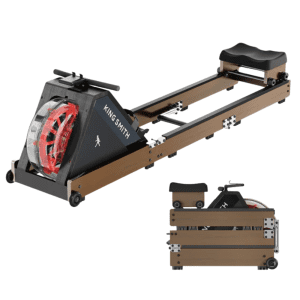
When the laptop closes at the end of the day, the KingSmith WR20 Water Rowing Machine may become the first movement of the evening.
On another day, the answer may be different.
That is part of the value.
A home fitness routine can respond to the day rather than follow one rigid pattern.
The question gradually changes from:
“What workout should I do?”
to:
“What kind of movement feels right today?”
That small change makes the routine feel more personal.
Some days invite steady movement.
Some invite strength.
Others create space for mobility, balance or a slower session.
The room gives each of them somewhere to begin.
A strong routine often starts with something very simple:
Making the next action easy to see.
Different Parts of the Day Can Have Different Kinds of Movement
A home gym does not have to belong to one hour of the day.
It can become part of several different moments.
A New Zealand summer morning may begin early, with daylight already filling the room before breakfast. That can be a natural time for walking or light movement.
The middle of a work-from-home day may offer ten minutes to step away from the screen and move.
Late afternoon can create a different rhythm. The working day winds down, music starts playing somewhere in the house, and a rowing session can mark the transition into the evening.
Weekends may create more space.
A clear Saturday morning, with the garage door open and fresh air moving through, can become time for a more focused strength session around the DB-6042 Smith Machine and Coloured Bumper Plates.
Each moment has its own character.
The goal is not to make every session look the same.
The goal is to let movement fit naturally into the shape of real life.
This is especially valuable in a home setting, because the space can serve more than one purpose without losing its identity.
Walking can belong to the morning.
Rowing can belong to the end of work.
Strength can belong to Saturday.
Movement becomes flexible without becoming random.
Over time, each part of the day begins to develop its own rhythm.

A Fitness Space Can Become an Everyday Ritual
Routines become more meaningful when they are attached to familiar actions.
Putting on your trainers before the first meeting.
Opening the garage door on a Saturday morning.
Rolling out a Yoga Mat beside the window.
Stepping onto a BOSU Balance Trainer Ball while the house is still quiet.
Sitting down for a rowing session after closing the laptop.
These are small actions.
Yet small actions repeated in familiar places begin to feel like rituals.
The Yoga Mat may come to represent the first few minutes of a slow Sunday morning.
The BOSU Balance Trainer Ball may become part of a short balance session between work and dinner.
Neither moment needs to be dramatic.
What gives it meaning is repetition.
The action becomes familiar.
Then the time becomes familiar.
Then the space itself begins to carry the feeling.
This is where a fitness space starts to influence more than the workout.
It begins to reinforce a way of seeing yourself.
At first, the thought might be:
“I am trying to exercise more.”
Later, the language changes naturally:
“Movement is part of my day.”
That shift is subtle, but important.
The space starts as somewhere you work out.
Eventually, it becomes somewhere that reflects who you are.
Build Around the Life You Want to Keep Living
A useful home gym begins with the person who will actually live around it.
That means thinking about lifestyle before thinking about equipment.
Start with the day.
What kind of mornings do you enjoy?
When does movement feel most natural?
Do you like a short session before work, a steady reset in the afternoon or a longer strength workout at the weekend?
Do you enjoy walking, rowing, lifting or a combination of different kinds of movement?
And perhaps most importantly:
What kind of fitness space would you genuinely enjoy returning to?
The answers can look very different from one household to another.
Someone who enjoys early movement may build the space around walking and a small strength setup.
Another person may want rowing to become the bridge between work and evening.
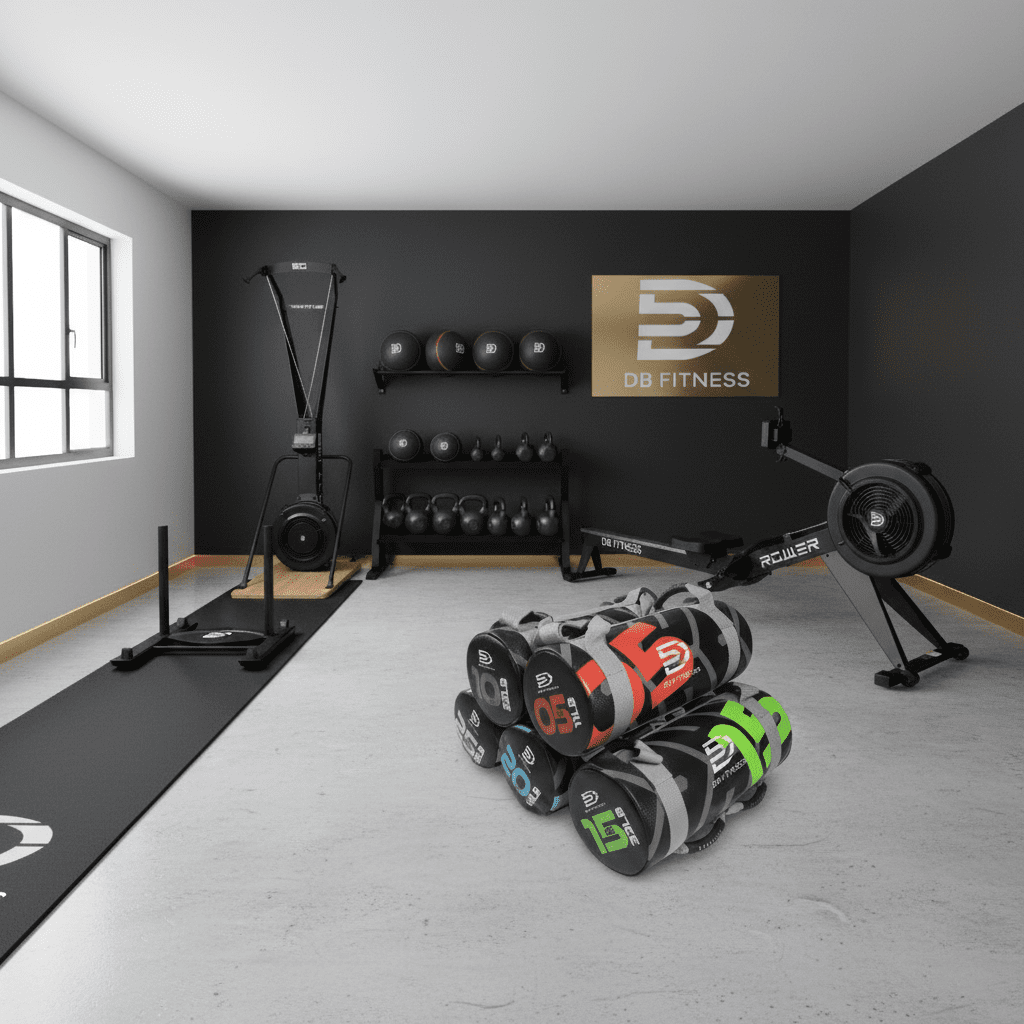
Someone who values longer strength sessions may dedicate part of the garage to a Smith Machine, dumbbells and bumper plates.
There is no single picture of the ideal home gym.
The best setup is the one that supports the life happening around it.
For that reason, equipment works best as a response rather than a starting point.
A WalkingPad can belong to morning movement.
An adjustable dumbbell can belong to flexible strength sessions.
A rowing machine can belong to the end of the working day.
A Smith Machine and bumper plates can belong to focused weekend training.
The equipment follows the rhythm rather than defining it.
Build the routine first in your mind.
Let the equipment follow.
When the Space Becomes Part of You
At first, it is simply part of the house.
A corner.
A spare room.
A section of the garage.
Then movement starts happening there.
The space becomes connected to particular times of day.
Morning light begins to mean walking.
Closing the laptop begins to mean rowing.
Saturday morning begins to mean strength.
Rolling out the mat begins to mean a few minutes of attention before the rest of the day continues.
As these moments repeat, the space begins to hold something more than equipment.
It holds familiarity.
It holds rhythm.
It holds the small rituals that gradually make movement feel like part of everyday life.
Eventually, you may stop thinking of it as somewhere you should go to exercise.
It is simply part of the way your home works.
And part of the way you live.
That is where the idea behind Your Workout Needs You goes one step further.
Showing up gives the workout purpose.
But when you keep showing up, the space begins to carry some of that routine with you.
The room becomes a cue.
The equipment becomes connected to particular moments.
Movement becomes woven into days that already feel full of meaning.
What began as a fitness space becomes part of the rhythm of the household.
And that may be the deeper value of creating a home gym.
It gives movement somewhere to belong.
Give movement a place in your home, and over time, it may find a permanent place in your life.