
Remove the Friction of Working Out: 4 Simple Ways to Make Fitness Feel Effortless Every Day
The hardest part of any workout is rarely the last rep. More often, it’s the moment you decide whether to start at all.
You might recognise the feeling. You plan to work out in the evening, but you sit on the sofa for a few more minutes. You tell yourself you’ll start after one more episode, after replying to one more message, or after tidying the room first. None of this feels like laziness — it’s simply that small, invisible barriers get in the way.
For many people in New Zealand, consistency isn’t about motivation. It’s about removing those little moments of hesitation that quietly stop you from starting.
The good news is that when your environment becomes easier, the habit becomes easier too. Here are four practical ways to remove the friction of working out and make fitness feel like a natural part of everyday life.
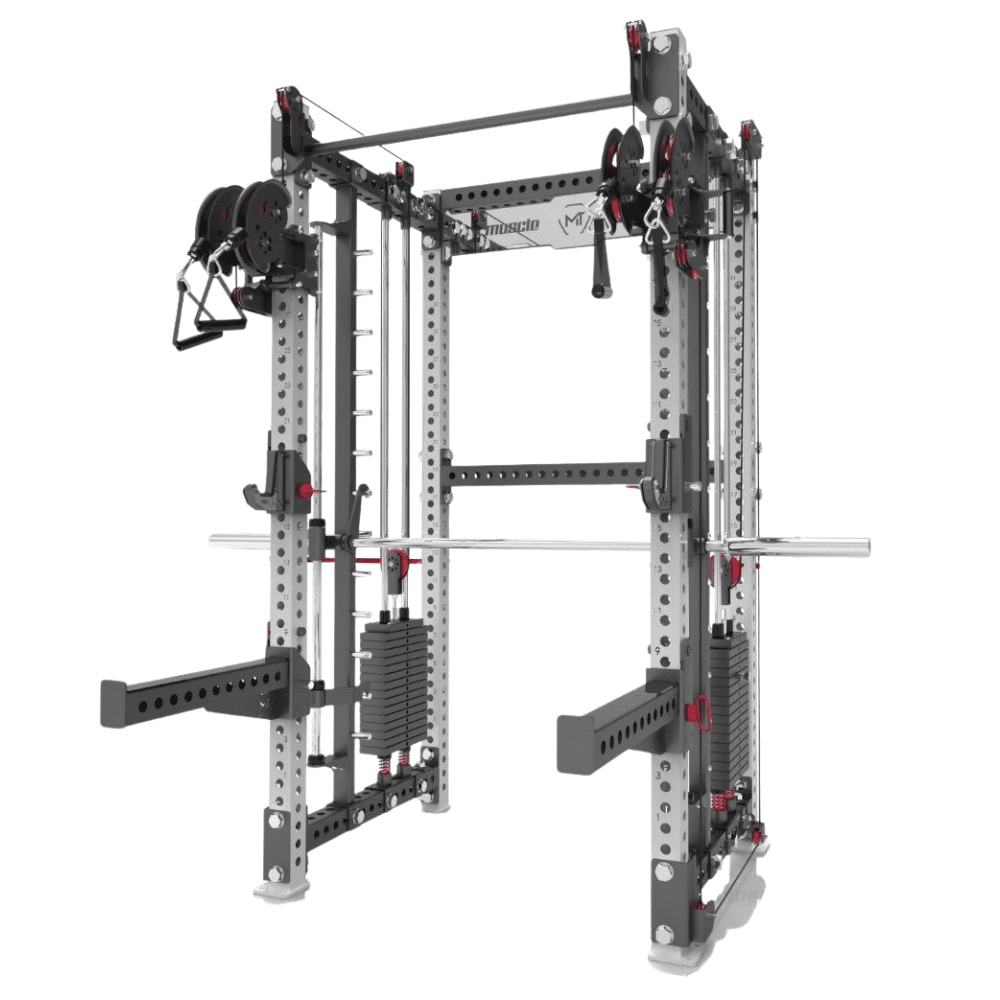
1. Eliminate the “Setup Struggle” with All-in-One Stations
One of the biggest hidden barriers to training is preparation. You might feel ready to exercise, but then realise you need to move the bench, find attachments, adjust the weights, or reorganise the space first. It doesn’t seem like much, yet it breaks your momentum before you even begin.
Over time, that small delay becomes a habit. Instead of starting straight away, you pause — and that pause is often enough to stop the session altogether.
A simpler approach is to create a space that is always ready the moment you step into it.
Examples include:
These types of machines reduce friction because everything is already in one place. There is no switching equipment, no searching for parts, and no setup time. When you remove the preparation step, starting a workout feels almost automatic.
When your space is always ready, you’re far more likely to take that first step — even on busy days.
2. Make Cardio Feel Effortless with Foldable Equipment
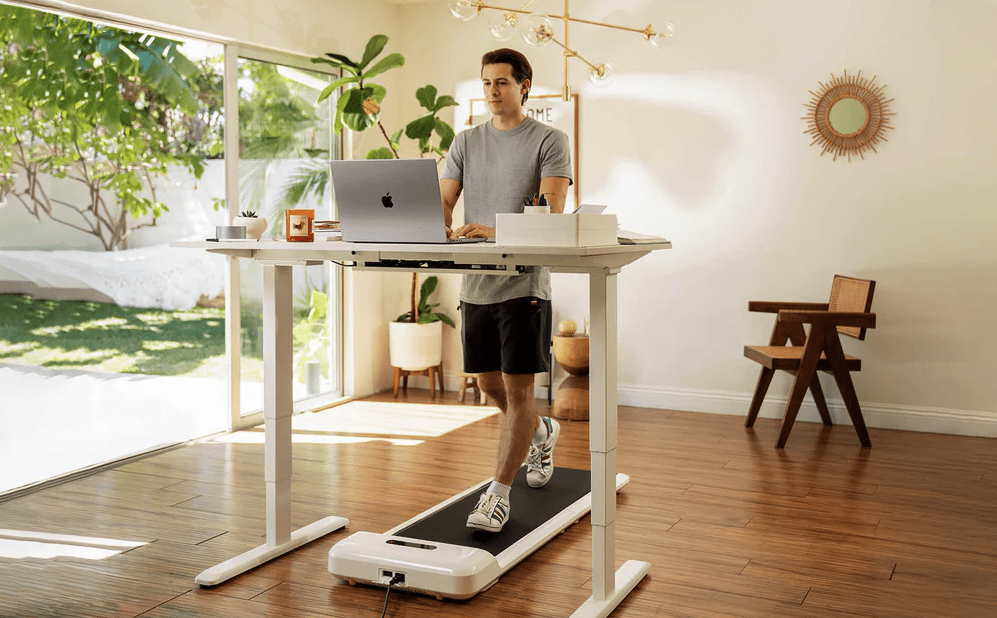
Many people don’t struggle with cardio itself. What makes it difficult is the space it takes up. Large machines can feel overwhelming in a living room, especially in modern Kiwi homes where space is valuable. When equipment feels like it takes over your home, it can quietly become something you avoid using.
Fitness should feel like it belongs in your lifestyle, not something that competes with it.
For example:
Foldable equipment works because it fits around your life instead of forcing you to change your space. You can use it when you want to move, and store it away when you don’t need it. That flexibility removes the mental resistance that often comes from feeling like your home has been turned into a gym.
When movement is easy to access, it becomes something you do naturally — not something you need to plan for.
3. Replace “Decision Fatigue” with Simple, Versatile Essentials
Sometimes the biggest obstacle isn’t time or space — it’s overthinking. You stand there wondering what to train, which machine to use, or whether you should try something different today. That mental effort can quietly drain your motivation before you even begin.
Most people don’t need complicated routines. They simply need tools that make it easy to move.
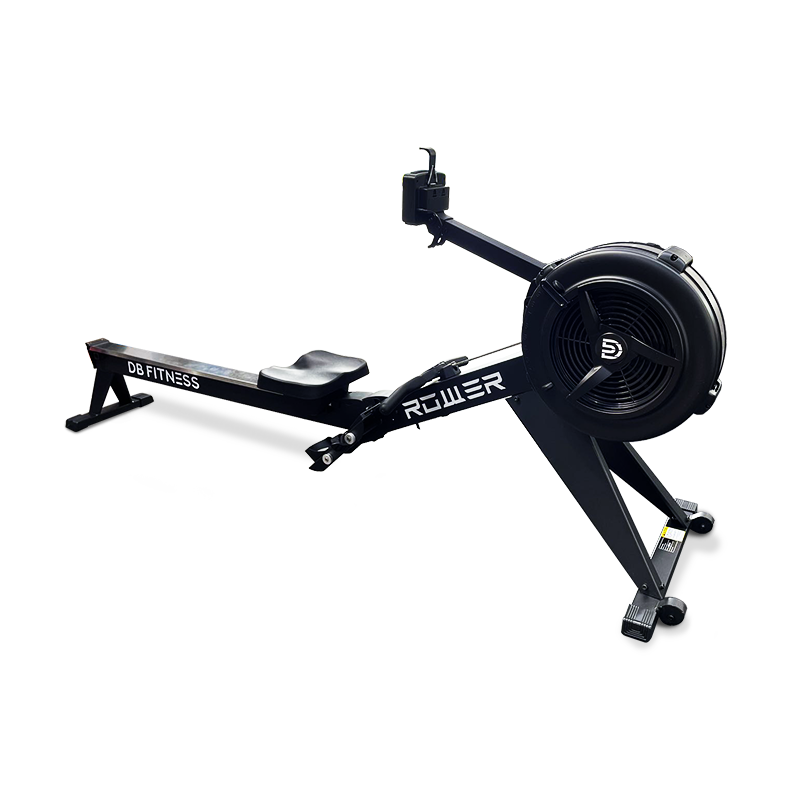
Examples include:
These products reduce friction because they are versatile. A single pair of adjustable dumbbells can support a wide range of exercises. A rowing machine can deliver a full-body workout without switching equipment.
When you remove unnecessary choices, your focus shifts from planning to simply getting started — and that’s where real progress begins.
The simpler your setup, the easier it is to stay consistent without overthinking it.
4. Create a Visual Trigger That Encourages Action
Out of sight often means out of mind. When equipment is stored in the garage or tucked away in a cupboard, it becomes easy to forget about it. By the time you remember, the moment to work out has usually passed.
Small visual cues can make a big difference. When something is part of your everyday environment, it naturally becomes part of your routine.
For example:
Having something visible in a space you use daily — such as a home office or living area — creates a gentle trigger to move. You don’t need to plan a full workout. You might simply hop on for a few minutes between tasks, and those small sessions quickly add up.
Sometimes, just seeing it is enough to get you started.
Turning Small Changes into a Lifestyle
Building a fitness routine isn’t about forcing yourself to work harder. It’s about making it easier to begin.
When you remove the small barriers — the setup, the space constraints, the overthinking, and the lack of visual cues — working out stops feeling like a task and starts feeling like a natural part of your day.
That is the real shift. It’s not about selling equipment. It’s about creating a lifestyle where movement feels simple, comfortable, and sustainable.
Creating that kind of environment is exactly what a well-designed home setup is meant to support.
And once that happens, moving from the couch to crushing it no longer feels difficult. It simply becomes part of who you are.